
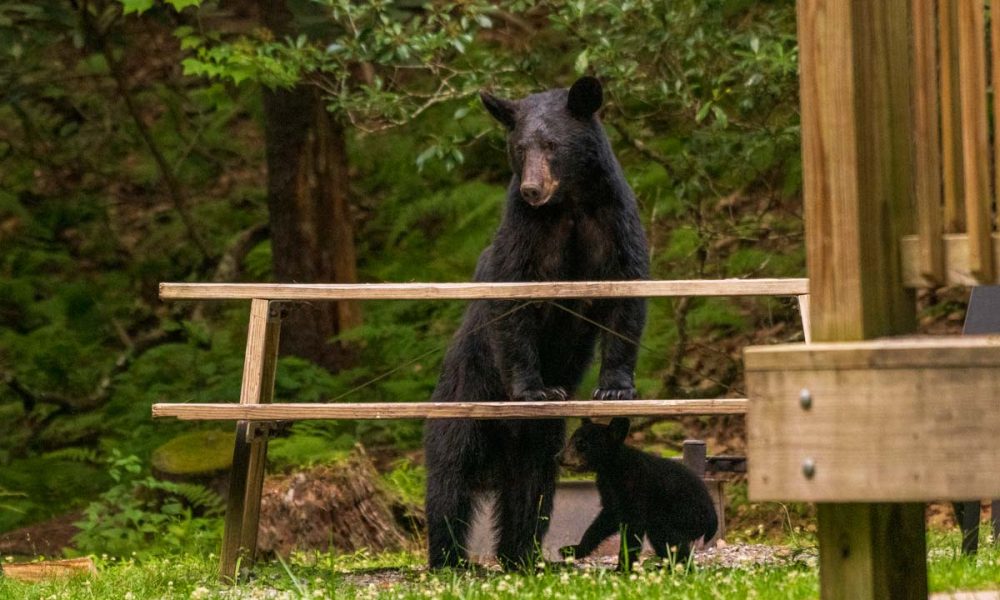



Wildlife experts remind the public that black bears are changing their feeding habits now as they get ready for upcoming hibernation.
The Maryland Department of Natural Resources says black bears are beginning a period of increased feeding activity in preparation for winter.
As fall weather settles in, bears will travel across roads more frequently. They also can become more attracted to human-provided food sources and lose their natural fear of people, which can be dangerous for both people and bears, said DNR officials.
“During the fall, bears need to consume far more calories than during the spring and summer, consuming in excess of 20,000 calories a day,” Wildlife and Heritage Service Director, Karina Stonesifer, said. “To keep everyone safe and our bears wild, residents should remove any food and attractants from their properties to mitigate potential human-bear conflict.”
The top food attractors for bears are bird feeders, containers of pet food and trashcans that are accessible.
Black bears in Maryland are concentrated in Allegany, Frederick, Garrett, and Washington counties, but are known to roam into other northern and central counties, including densely populated areas.
West Virginia and Pennsylvania are home to roaming bear as well, with local mountains and forests offering attractive places for black bear to eat and hibernate.
Since bears may travel many miles in search of food, motorists traveling in the region are reminded to watch for them crossing roads, especially during October and November.
Bears will begin entering dens in mid-November; and most will remain inside by mid-December, say wildlife experts.
More information about living with black bears can be found online, by calling 410-260-8540 or 301-777-2136, or visiting BearWise.org.
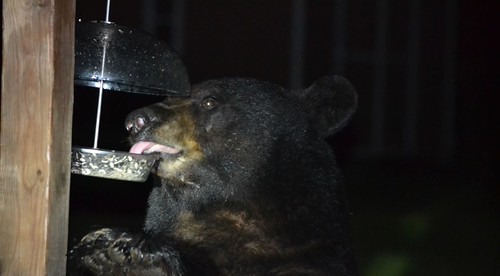
photo by Ranger Sarah Milbourne.


