


by Jodi Richmond, WVU Extension Agent – Mercer County
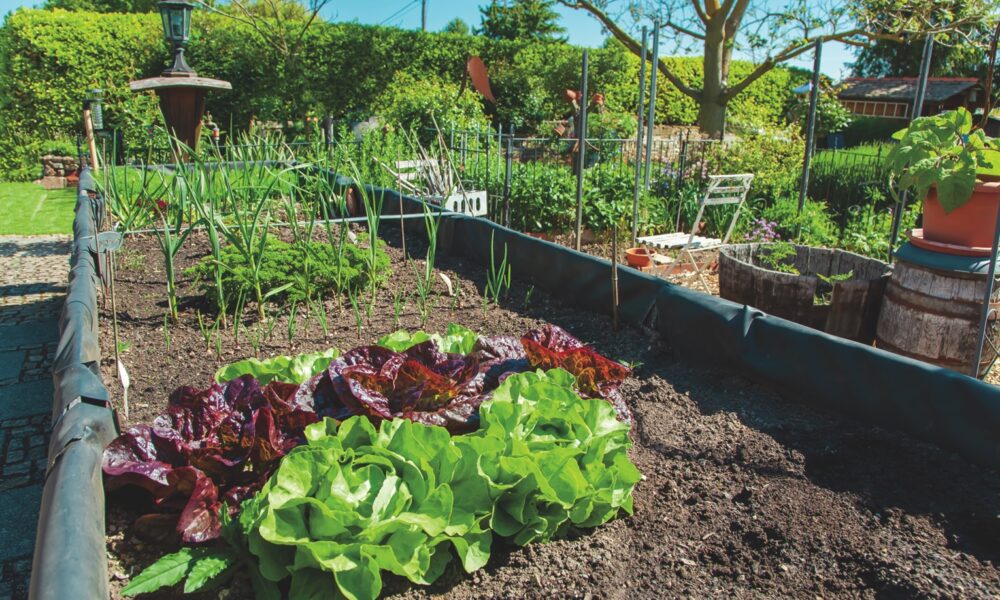
Succession planting allows you to maximize yield through strategic planting. Gardeners may plant early in the season with cool-season crops and as those crops are harvested, replace them with warm-season crops and return to cool-season crops again in the fall, so that the garden is continually in production. Another option involves planting smaller amounts of one crop, such as beans, every few weeks so that the harvest continues throughout the season. Alternatively, a gardener could plant different varieties of the same crop with different maturity dates, so each variety would ripen at staggered times throughout the season. 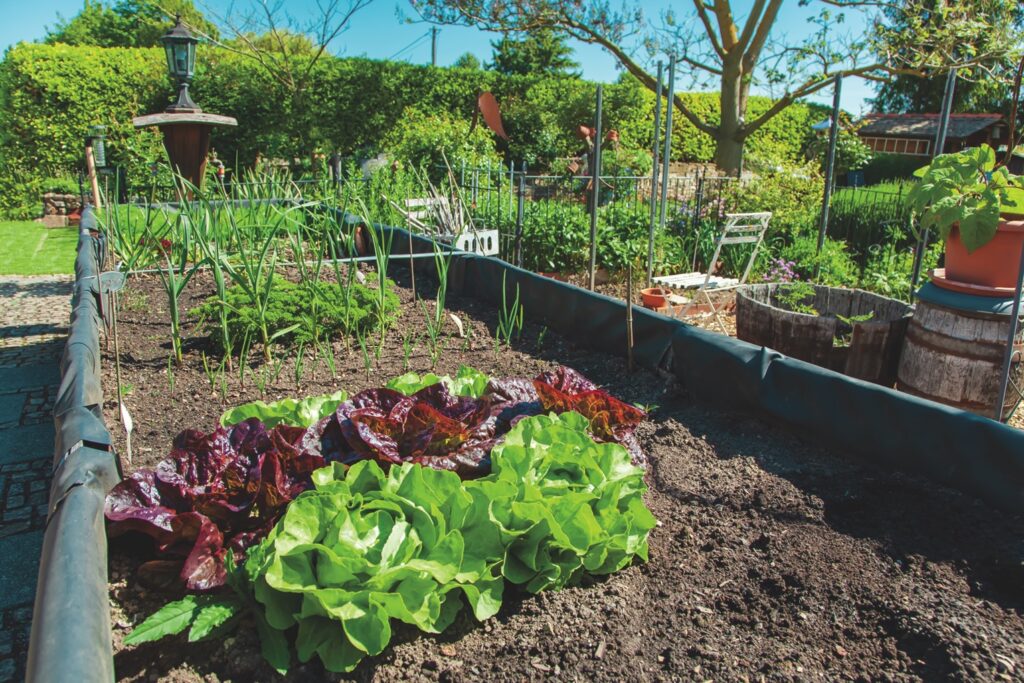
Experienced gardeners may mix strategies from each of these options to maximize harvest with a variety of crops depending on their goals for the production season. An example would be planting early crops and replacing them as they are harvested, but also choosing to stagger plantings of a crop or choosing to plant both early and late varieties of a crop.
Benefits of succession planting
Planting throughout the entire growing season maximizes the yield of a garden space while allowing production of both cool- and warm-season crops. Planning is essential to maintain a continuous supply of fresh vegetables; lay out the year’s schedule and map the garden, if necessary. Adjust the plan next year if you would like to try something different. Some basic principles to follow:
Cool-season crops include beets, broccoli, Brussels sprouts, cabbage, carrots, greens, kale, lettuce (check variety), peas, radishes, spinach, Irish potatoes and turnips. Some of these, such as many varieties of lettuce as peas, cannot tolerate heat. Most are “one and done” crops, meaning that the entire plant is removed at harvest, such as cabbage, carrots and beets. Those, such as peas, that continue to produce will do so for a short period of a few weeks.
Warm season crops include beans, cantaloupe, corn, eggplant, peppers, squash, sweet potatoes, tomatoes and watermelon. These can be planted after the last expected frost date for your area.
When cool-season crops are harvested, plant warm-season crops; when warm-season crops are harvested, plant cool-season crops, if you desire to do so. (The exception to this is a short maturing crop, like radishes, which can mature in as little as 25 days, so you may get multiple crops in the cool season.)
If you are planting the same crop with a staggered harvest date, choose early, mid- and late maturing varieties of the same crop and plant at the same time. This works well with vegetables such as sweet corn, beans, tomatoes and cabbage.
If you prefer to plant smaller amounts of the same vegetable varieties, stagger plantings seven to 14 days apart to spread the harvest out. As each set of plants finish production, a new set will start producing. This works well for crops such as cabbage, lettuce, onions, radishes and spinach
Variety is important; once temperature warms, some varieties cannot handle the heat of summer, while others are tolerant. Gardeners may desire to use space for a warm-season crop, such as summer squash, instead or use a heat-tolerant spinach, for instance.
Plant in July
Arugula
Basil
Snap beans
Beets
Broccoli
Brussels sprouts
Cabbage
Carrots
Cantaloupe
Cauliflower
Collards
Cucumbers
Fennel
Kohlrabi
Leeks
Lettuce
Green onions
Peppers
Pumpkins
Summer squash
Winter squash
Sweet corn
Swiss chard
Tomatoes
Turnips
Plant in August
Arugula
Snap beans
Beets
Carrots
Collards
Kohlrabi
Lettuce
Green onions
Summer squash
Swiss chard
Turnips
Plant in September
Arugula
Beets
Collards
Kale
Lettuce
Green onions
Radishes
Spinach
Swiss chard
Turnips
For more garden advice from the West Virginia University Extension Service, visit https://extension.wvu.edu/lawn-gardening-pests or call Morgan County’s Extension Office at 304-258-8400.


